

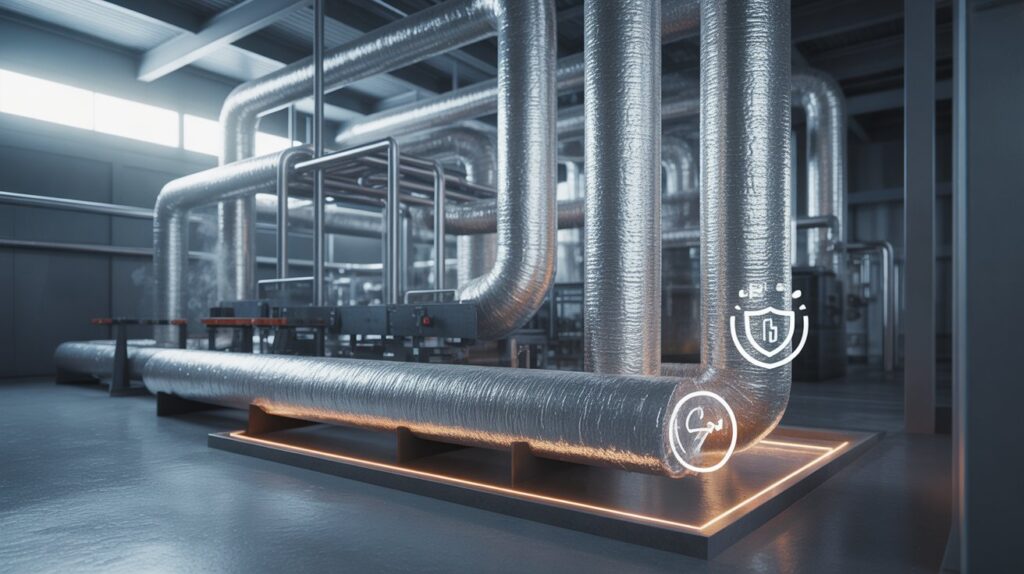
In industries where high-temperature operations are part of daily life, steam plays an essential role—powering turbines, supporting chemical reactions, sterilizing equipment, and enabling numerous production processes. Steam pipelines are the arteries of industrial plants, delivering heat and energy across various departments. However, these high-temperature steam lines are also among the biggest sources of energy loss, equipment degradation, and safety hazards if not protected properly.
Traditionally, insulation materials like mineral wool or fiberglass have been used to control heat loss. While effective to some extent, they come with limitations—complex installation, moisture absorption, corrosion under insulation (CUI), and high maintenance costs. This has led industries to shift toward a smarter, more durable solution: Steam Line Insulation Coatings.
These advanced coatings are engineered not just to insulate but to enhance efficiency, safety, and long-term operational reliability. As industries evolve toward sustainability and high performance, insulation coatings are rapidly becoming a preferred choice across power plants, refineries, manufacturing units, food processing industries, and more.
This blog explores the top benefits of using steam line insulation coatings in high-temperature systems, backed by industry insights, energy trends, and practical applications.
1. Introduction: Why High-Temperature Systems Need Better Insulation Solutions
Industries rely heavily on steam—whether for heating, processing, sterilization, or power generation. But while steam enables efficiency, it also brings challenges. High-temperature steam lines often operate between 150°C to over 500°C, radiating intense heat into the surrounding environment. When left uninsulated or poorly insulated, these lines cause:
- Heat and energy loss
- Higher fuel consumption
- Increased carbon emissions
- Worker safety concerns
- Temperature instability in processes
According to global energy studies, industries lose nearly 20–30% of energy through uninsulated or inefficiently insulated steam systems. In an era where energy costs are rising and sustainability regulations are tightening, this loss is financially and environmentally expensive.
Steam line insulation coatings provide a modern solution to these long-standing issues. They combine convenience, efficiency, and durability into a thin protective layer that significantly improves the performance of high-temperature systems.
What Are Steam Line Insulation Coatings? A Modern Revolution in Thermal Management
Steam line insulation coatings are high-performance, thermal-resistant liquid coatings designed to reduce heat loss and protect metal surfaces. Unlike bulky traditional insulation, these coatings are applied as a thin film that hardens into a powerful thermal barrier.
How They Work
The technology behind these coatings is rooted in ceramic microspheres, aerogels, and heat-reflective polymers. These materials create millions of tiny air pockets that:
- Reduce conductive heat transfer
- Reflect thermal radiation
- Lower surface temperatures
- Prevent corrosion and moisture buildup
This combination makes insulation coatings unique—they offer thermal insulation + corrosion protection + energy savings all in one.
Why They Stand Out
- Applied like paint (brush, spray, or roller)
- Suitable for irregular surfaces (valves, joints, bends, complex pipe structures)
- Lightweight with low thickness
- Seamless and moisture-resistant
- Long-lasting with minimal maintenance
As industries move toward advanced, low-maintenance technologies, insulation coatings align perfectly with the future of thermal management.
3. The Growing Need for Advanced Insulation in High-Temperature Systems
Before diving into the benefits, it’s important to understand why high-temperature steam systems face insulation challenges.
3.1 High Energy Demand
Steam lines are often overlooked during maintenance, yet they consume a significant share of industrial energy. Heat lost from steam pipes directly increases:
- Fuel consumption
- Boiler workload
- Operational costs
3.2 Environmental Pressure
Industries are under increasing pressure to reduce emissions. Every bit of heat saved from steam lines contributes to lower carbon emissions and helps meet regulatory standards.
3.3 Safety Obligations
Exposed high-temperature surfaces pose immediate dangers:
- Burns and injuries
- Heat stress
- Risk of fire in certain environments
Keeping surfaces at safer touch temperatures is not optional but legally required in many jurisdictions.
3.4 Equipment Degradation
High temperatures accelerate:
- Metal fatigue
- Corrosion
- Condensation issues
- Pipe weakening
Insulation coatings help break this cycle by offering protection on multiple fronts.
4. Top Benefits of Using Steam Line Insulation Coatings in High-Temperature Systems
Now that we understand the need, let’s dive into the advantages that make these coatings such a powerful solution.
Benefit 1: Significant Energy Savings and Reduced Heat Loss
Energy conservation is the number one reason industries adopt insulation coatings. These coatings dramatically reduce heat radiation from steam lines, keeping more energy inside the system.
How Energy Savings Work
- Reflective ceramic technologies bounce heat back into the pipe
- Thermal barriers reduce heat escape
- Surface temperature drops by up to 30–60%
This results in:
- Lower boiler fuel consumption
- More efficient steam distribution
- Reduced heat load on surrounding equipment
Industries have reported 10–25% energy savings after implementing advanced insulation coatings.
Benefit 2: Lower Operational and Fuel Costs
By minimizing heat loss, industries reduce the amount of fuel needed to maintain process temperatures. This creates a direct operational saving.
Cost Reduction Comes From:
- Reduced fuel bills
- Less steam wastage
- Fewer boiler cycles
- Improved steam pressure stability
Over the course of a year, even small improvements in insulation can save industries lakhs of rupees on energy bills.
Benefit 3: Prevents Corrosion and Extends Equipment Life
Corrosion under insulation (CUI) is a silent destroyer of industrial steam systems. Traditional insulation traps moisture, creating a thriving environment for corrosion.
Insulation Coatings Prevent CUI by:
- Creating a moisture-resistant layer
- Eliminating gaps where water can accumulate
- Protecting metal from UV, chemical fumes, and weather
- Ensuring smooth drainage of condensation
This extends steam line life by many years and reduces premature pipe replacement costs.
Benefit 4: Enhances Worker Safety by Reducing Surface Temperatures
Safety is one of the strongest selling points for insulation coatings.
High-temperature steam lines can reach 200–400°C, creating severe burn hazards. Insulation coatings significantly reduce the external surface temperature, making plant environments safer.
Worker Safety Advantages
- Lower risk of accidental contact burns
- Reduced ambient heat exposure
- Improved working conditions
- Better compliance with OSHA and international safety standards
A safe workforce is a more productive workforce, and insulation coatings directly contribute to that.
Benefit 5: Easy Application and Zero Downtime
Traditional insulation requires:
- Wrapping
- Layering
- Cutting and fitting
- Skilled labor
- Downtime during maintenance
Insulation coatings eliminate all these issues.
Why Application Is Easier
- Applied like paint
- No need to remove old insulation
- Suitable for complex shapes and tight spaces
- Can be applied without shutting down equipment in some cases
This ease of application saves industries time, labor, and production loss.
Benefit 6: High Durability and Long-Term Protection
Steam line insulation coatings are engineered to last. With resistance to:
- Extreme heat
- Weather
- UV exposure
- Chemicals
- Moisture
- Corrosion
They provide long-lasting protection with minimal maintenance. Most coatings remain effective for 5–10 years or more depending on exposure.
This makes them a high-value investment for long-term performance.
Benefit 7: Space-Saving, Lightweight, and Aesthetic
Traditional insulation is bulky, requiring space and support structures. Insulation coatings add only a few millimeters of thickness.
Space & Aesthetic Advantages
- No bulky wraps
- No extra metal cladding
- Neat finish
- Easier inspections
- Ideal for overcrowded industrial environments
This is especially useful in retrofitting older plants where space is limited.
Benefit 8: Improved Process Stability and Temperature Consistency
Stable steam temperatures are essential for quality control in processes like:
- Food sterilization
- Chemical reactions
- Pharmaceutical mixing
- Textile finishing
Steam line insulation coatings help maintain consistent temperatures, ensuring production quality remains high.
Benefit 9: Better Environmental Performance and Lower Emissions
Energy savings directly translate to lower emissions. Since steam line insulation coatings reduce heat loss, boilers burn less fuel.
Environmental Advantages:
- Reduced carbon footprint
- Lower fuel usage
- Supports ESG and green manufacturing goals
- Helps companies meet sustainability certifications
As industries strive for net-zero commitments, insulation coatings play a small but powerful role.
Benefit 10: Reduced Maintenance and Inspection Costs
Traditional insulation requires:
- Frequent inspection
- Moisture checks
- Repairs
- Replacement
Insulation coatings offer a much simpler solution with minimal long-term maintenance needs.
Maintenance Benefits
- No wrapping/rewrapping
- No moisture retention
- No insulation gaps
- Easy surface inspection
This reduces labor, downtime, and maintenance budgets significantly.
Industries That Benefit the Most from Steam Line Insulation Coatings
Power Plants
Ideal for maintaining boiler efficiency and reducing heat losses in turbine lines.
Oil & Gas / Petrochemical
Reduces CUI and ensures stable operating temperatures.
Food & Beverage
Critical for hygiene, sterilization, and energy conservation.
Textile Industry
Supports consistent drying and finishing operations.
Pharmaceuticals
Helps maintain high precision in temperature-sensitive areas.
Manufacturing Plants
Improves HVAC efficiency and lowers operational costs across the plant.
Any industry that uses steam, hot fluids, or high-temperature equipment can benefit substantially.
Steam Line Insulation Coatings vs. Traditional Insulation: A Quick Comparison
| Feature | Traditional Insulation | Insulation Coating |
| Thickness | Very thick | Very thin |
| Installation | Complex | Easy |
| Moisture Issues | High | Low |
| CUI Risk | High | Very low |
| Aesthetic | Bulky | Clean |
| Durability | Moderate | High |
| Inspection Ease | Difficult | Very easy |
| Cost Over Time | High | Low |
Why Insulation Coatings Are the Future of Industrial Thermal Protection
With rising energy costs, stricter environmental norms, and safety expectations, industries are shifting toward smarter insulation solutions. Steam line insulation coatings provide:
- Performance
- Sustainability
- Durability
- Safety
- Cost-efficiency
They are not just an alternative to traditional insulation—they are an upgrade.
Conclusion
The benefits of using steam line insulation coatings in high-temperature systems are clear and compelling. From energy efficiency and cost reduction to safety improvements and long-term protection, these coatings offer a comprehensive solution for industries seeking high performance.
As industries evolve, the demand for smart, durable, and eco-friendly thermal insulation solutions is increasing—and steam line insulation coatings are leading the way.
They’re lightweight, effective, easy to apply, and incredibly powerful at improving operational efficiency.