

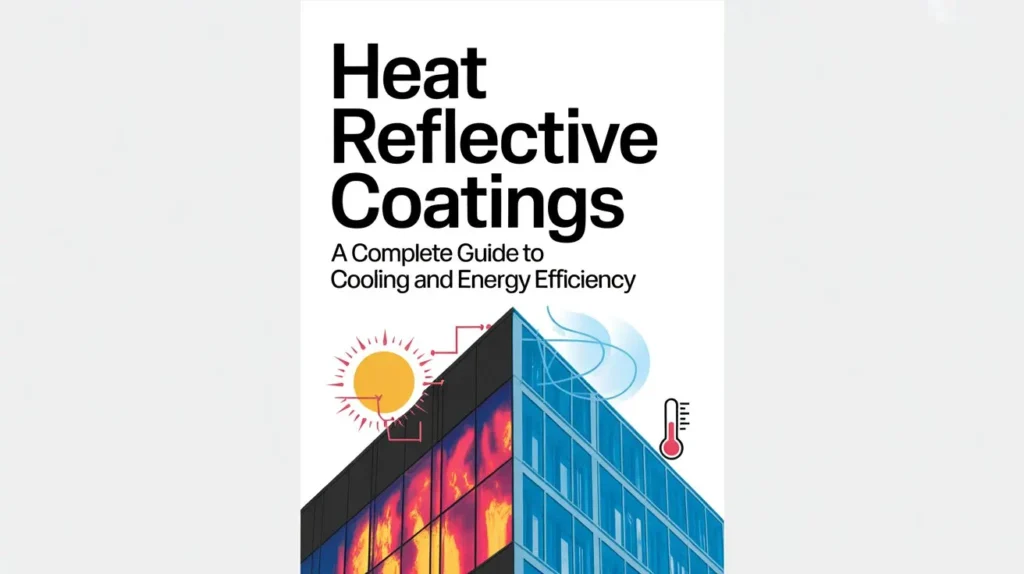
Heat reflective coatings are an innovative solution designed to reduce heat absorption on building surfaces, especially roofs and exterior walls. In regions with high temperatures like India, these coatings play a crucial role in maintaining comfortable indoor environments while minimizing the need for excessive air conditioning.
These coatings are formulated with advanced reflective pigments that bounce back a significant portion of solar radiation. By reducing heat penetration, they help lower surface temperatures and improve overall energy efficiency. This makes them an ideal choice for residential, commercial, and industrial buildings.
One of the key advantages of heat reflective coatings is their ability to reduce electricity consumption. By keeping interiors cooler, they decrease dependency on cooling systems, resulting in lower energy bills and reduced carbon footprint. Additionally, they protect surfaces from UV rays, weather damage, and thermal stress, thereby extending the lifespan of roofs and structures.
Heat reflective coatings are suitable for a variety of surfaces, including RCC roofs, metal sheets, asbestos roofs, and industrial sheds. Their versatility and cost-effectiveness make them a preferred solution for modern infrastructure projects.
By investing in high-quality heat reflective coatings and ensuring proper application, property owners can achieve long-term savings, enhanced comfort, and sustainable building performance.
Introduction to Heat Reflective Coatings
Heat reflective coatings are specially designed surface solutions that help reduce heat absorption and improve energy efficiency in buildings. These coatings are widely used on roofs and exterior surfaces to minimize the impact of solar radiation, especially in hot climates like India. By reflecting a large portion of sunlight, they help maintain cooler surface temperatures and enhance indoor comfort.
What are Heat Reflective Coatings?
Heat reflective coatings are advanced paints or coatings formulated with reflective pigments and insulating properties. Unlike conventional paints, they are designed to reflect solar energy rather than absorb it.
These coatings are commonly applied on RCC roofs, metal surfaces, and industrial structures to reduce heat buildup. They not only improve thermal performance but also provide additional protection against UV rays, weathering, and surface degradation.
How They Work to Reduce Heat
Heat reflective coatings work based on two key principles: solar reflectance and thermal emittance. They reflect a significant portion of incoming sunlight away from the surface, preventing heat absorption.
At the same time, they release absorbed heat quickly, preventing it from transferring into the building. This dual action helps lower roof temperatures, reduces indoor heat gain, and decreases the need for air conditioning, resulting in improved energy efficiency and cost savings.
Key Benefits of Heat Reflective Coatings
Heat reflective coatings offer multiple advantages for buildings exposed to high temperatures and harsh weather conditions. These coatings not only improve thermal performance but also contribute to energy efficiency, durability, and overall comfort. Their ability to reflect solar radiation makes them an ideal solution for modern construction and industrial applications.
Reduces Roof Temperature
One of the most significant benefits of heat reflective coatings is their ability to lower roof surface temperature. By reflecting a large portion of sunlight, these coatings prevent excessive heat absorption.
This can reduce roof temperatures by several degrees, especially during peak summer conditions. Lower surface temperatures help protect the structure from thermal stress and extend the life of roofing materials.
Improves Indoor Comfort
By minimizing heat transfer from the roof into the building, heat reflective coatings help maintain a cooler indoor environment. This is particularly beneficial in regions with extreme heat where indoor temperatures can rise significantly.
Improved indoor comfort reduces dependency on cooling systems like air conditioners and fans, creating a more pleasant living and working space.
Energy Savings and Lower Electricity Bills
Heat reflective coatings play a key role in reducing energy consumption. Since interiors remain cooler, the need for air conditioning is significantly reduced.
This leads to lower electricity usage and noticeable savings on energy bills. Over time, the cost savings can offset the initial investment in coating application, making it a cost-effective solution.
UV and Weather Protection
In addition to heat reduction, these coatings provide excellent protection against harmful UV rays and harsh weather conditions. Continuous exposure to sunlight and rain can damage surfaces, leading to cracks, fading, and deterioration.
Heat reflective coatings act as a protective barrier, enhancing the durability of roofs and exterior surfaces while maintaining their appearance and structural integrity.
Types of Heat Reflective Coatings
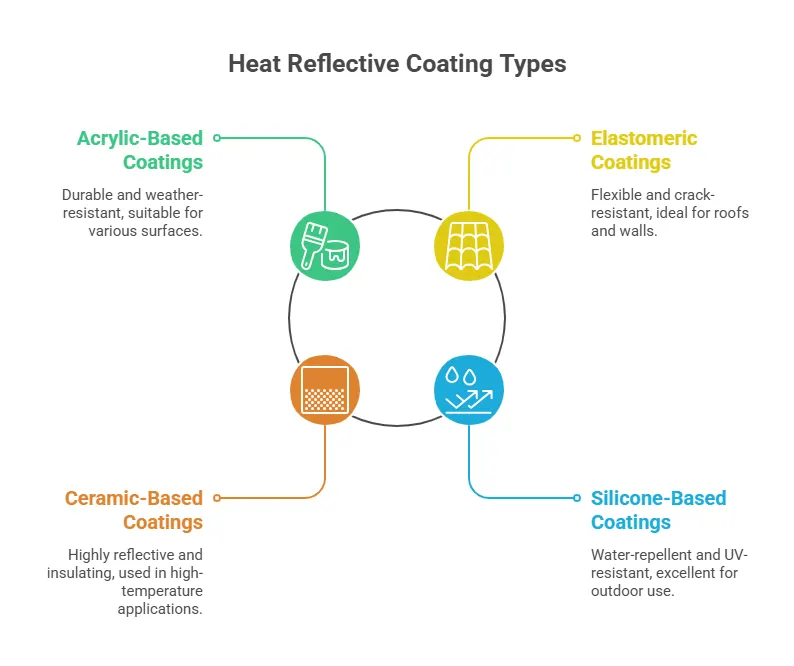
Heat reflective coatings are available in various types, each designed to meet specific performance requirements and surface conditions. Choosing the right type of coating is essential for achieving maximum heat reduction, durability, and long-term efficiency. Below are the most commonly used types of heat reflective coatings in residential, commercial, and industrial applications.
Acrylic-Based Coatings
Acrylic-based coatings are one of the most widely used heat reflective solutions due to their cost-effectiveness and ease of application. These coatings offer good reflectivity and are suitable for moderate weather conditions.
They provide decent protection against UV rays and are commonly applied on RCC roofs and exterior walls. Acrylic coatings are water-based, environmentally friendly, and easy to maintain, making them a popular choice for residential buildings.
Elastomeric Coatings
Elastomeric coatings are highly flexible and designed to expand and contract with temperature changes. This flexibility helps prevent cracks and ensures long-lasting protection, especially in areas with fluctuating temperatures.
These coatings form a thick, seamless layer that provides excellent waterproofing along with heat reflection. They are ideal for roofs that experience structural movement or minor surface cracks.
Ceramic-Based Coatings
Ceramic-based coatings are advanced solutions that use ceramic microspheres to reflect and dissipate heat effectively. These coatings offer superior thermal insulation and high reflectivity, making them suitable for extreme temperature conditions.
They are commonly used in industrial settings where heat control is critical. Ceramic coatings also enhance durability and provide resistance to corrosion and environmental damage.
Silicone-Based Coatings
Silicone-based coatings are known for their excellent resistance to moisture, UV rays, and harsh weather conditions. They maintain their performance even under prolonged exposure to sunlight and heavy rainfall.
These coatings provide high reflectivity and are especially suitable for areas with high humidity or frequent rain. Silicone coatings also offer strong adhesion and long service life, making them ideal for both industrial and commercial applications.
How Heat Reflective Coatings Work
Heat reflective coatings are engineered using advanced materials and technologies that minimize heat absorption and maximize energy efficiency. Their effectiveness is based on key scientific principles that control how surfaces interact with solar radiation and heat. Understanding how these coatings work helps in selecting the right solution for optimal cooling performance.
Solar Reflectance Principle
Solar reflectance refers to the ability of a surface to reflect sunlight, including visible, infrared, and ultraviolet rays. Heat reflective coatings are formulated to reflect a high percentage of incoming solar radiation away from the surface.
By reducing the amount of heat absorbed, these coatings significantly lower surface temperatures. This is especially beneficial for roofs and exterior walls that are directly exposed to sunlight throughout the day.
Thermal Emittance Explained
Thermal emittance is the ability of a material to release absorbed heat back into the atmosphere. Even when some heat is absorbed, heat reflective coatings are designed to quickly emit it rather than allowing it to transfer into the building.
High thermal emittance ensures that surfaces cool down faster, reducing heat buildup and maintaining a stable temperature. This contributes to improved indoor comfort and energy efficiency.
Role of Reflective Pigments
Reflective pigments are the key components that give heat reflective coatings their performance. These pigments are specially designed to reflect infrared radiation, which is responsible for most of the heat in sunlight.
By incorporating these pigments, the coating can effectively block heat penetration while maintaining durability and color stability. This technology enhances the overall efficiency of the coating and ensures long-lasting heat protection.
Best Surfaces for Application
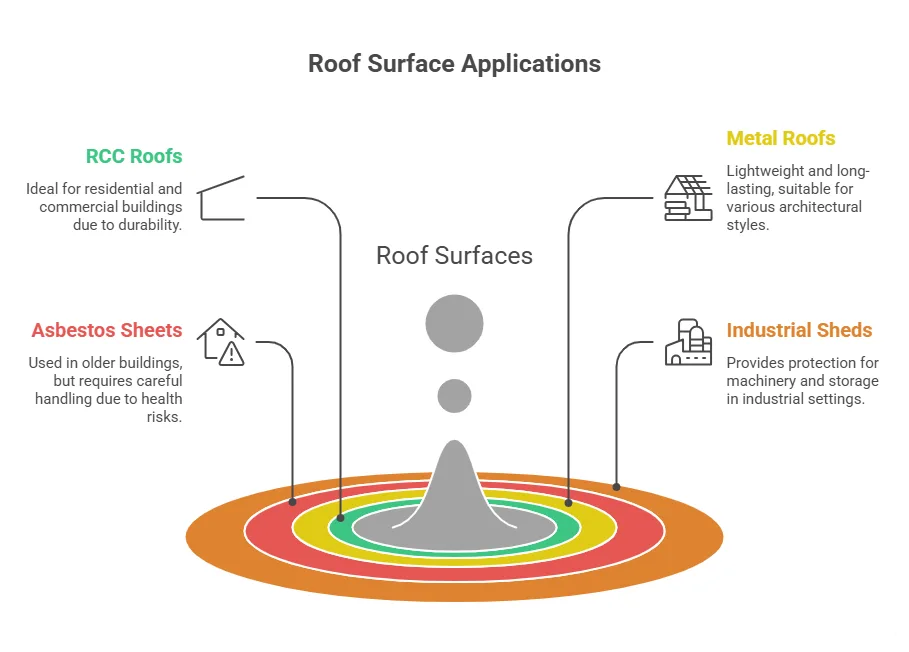
Heat reflective coatings are versatile and can be applied to a wide range of surfaces. Choosing the right surface for application ensures maximum performance, better heat reduction, and long-term durability. These coatings are especially effective on surfaces that are directly exposed to sunlight and high temperatures.
RCC Roofs
RCC (Reinforced Cement Concrete) roofs are one of the most common surfaces for heat reflective coatings. These roofs tend to absorb and retain heat, making indoor spaces uncomfortable during hot weather.
Applying a heat reflective coating on RCC roofs helps reduce surface temperature, minimize heat transfer, and improve indoor comfort. It also protects the concrete from thermal stress and weather damage.
Metal Roofs
Metal roofs are highly prone to rapid heat absorption and can become extremely hot under direct sunlight. Heat reflective coatings help in reducing this heat buildup by reflecting solar radiation.
These coatings also provide additional protection against corrosion, rust, and UV damage, enhancing the lifespan and performance of metal roofing systems.
Asbestos Sheets
Asbestos sheet roofs are commonly used in industrial and rural structures, but they tend to absorb significant heat. Applying heat reflective coatings can greatly improve their thermal performance.
The coating reduces heat penetration and makes the indoor environment more comfortable. It also adds a protective layer that helps extend the life of the sheets.
Industrial Sheds
Industrial sheds, often made of metal or fiber sheets, are exposed to continuous sunlight and high temperatures. This can lead to excessive heat buildup inside the workspace.
Heat reflective coatings are ideal for industrial sheds as they lower internal temperatures, improve working conditions, and reduce energy consumption for cooling systems. They also enhance the durability of the structure by protecting it from environmental stress.
Application Process of Heat Reflective Coatings
The effectiveness of heat reflective coatings largely depends on proper application. Following the correct process ensures strong adhesion, uniform coverage, and long-lasting performance. A well-executed application not only enhances heat reduction but also improves the durability and efficiency of the coating.
Surface Preparation
Surface preparation is the most critical step before applying heat reflective coatings. The surface must be clean, dry, and free from dust, grease, oil, and loose particles.
For best results, any cracks or damaged areas should be repaired in advance. On metal surfaces, rust removal is essential, while RCC roofs may require cleaning and minor surface leveling. Proper preparation ensures better adhesion and long-term performance of the coating.
Application Methods (Brush, Roller, Spray)
Heat reflective coatings can be applied using different methods depending on the surface type and project size. Common application techniques include brush, roller, and spray.
Brush and roller methods are suitable for smaller areas or detailed work, while spray application is ideal for large surfaces and ensures even coverage. Applying the coating in multiple layers as per manufacturer guidelines helps achieve optimal thickness and performance.
Drying and Curing Time
Drying and curing are essential for the coating to achieve its full protective properties. After application, the coating should be allowed to dry as per recommended time before applying additional coats.
Curing time may vary depending on environmental conditions such as temperature and humidity. Proper curing ensures strong bonding, durability, and maximum heat reflectivity, resulting in effective long-term performance.
Factors to Consider Before Choosing a Coating
Selecting the right heat reflective coating is essential to achieve maximum performance, durability, and cost efficiency. Different environments and surfaces require specific coating properties, so evaluating key factors before application helps ensure long-term effectiveness and value.
Climate Conditions
Climate plays a major role in determining the performance of heat reflective coatings. In regions with extreme heat, coatings with high solar reflectance and thermal emittance are essential to reduce surface temperature effectively.
For areas with heavy rainfall or high humidity, water-resistant and weatherproof coatings such as silicone-based options are more suitable. Choosing a coating that matches local climate conditions ensures better durability and consistent performance.
Surface Type
The type of surface where the coating will be applied significantly affects the choice of product. Different surfaces such as RCC roofs, metal sheets, and asbestos require specific formulations for proper adhesion and effectiveness.
For example, metal roofs may need anti-corrosive properties, while concrete surfaces benefit from coatings with strong bonding and crack-bridging capabilities. Selecting the right coating for the surface ensures optimal results.
Durability and Lifespan
Durability is a key factor when choosing heat reflective coatings, especially for industrial and commercial applications. High-quality coatings offer longer lifespan, better resistance to UV rays, and protection against environmental wear and tear.
Investing in durable coatings reduces the need for frequent maintenance and recoating, ensuring long-term performance and cost savings.
Budget and Coverage Area
Budget considerations and coverage area are important for planning the coating project. Different coatings vary in price, application requirements, and coverage capacity.
While it may be tempting to choose a lower-cost option, investing in a high-quality coating often provides better long-term value through energy savings and reduced maintenance. Calculating the total coverage area helps in estimating material requirements and overall project cost accurately.
Maintenance and Lifespan
Proper maintenance plays a vital role in ensuring the long-term performance and durability of heat reflective coatings. While these coatings are designed to withstand harsh weather and high temperatures, regular upkeep helps maintain their efficiency and extends their lifespan. A well-maintained coating continues to deliver optimal heat reflection and energy savings over time.
Cleaning Requirements
Regular cleaning is essential to maintain the reflective properties of the coating. Dust, dirt, and pollutants can accumulate on the surface, reducing its ability to reflect sunlight effectively.
Cleaning can be done using water, mild detergents, or soft brushes to remove surface contaminants without damaging the coating. Periodic cleaning ensures consistent performance and helps preserve the coating’s appearance and efficiency.
Recoating Timeline
Over time, heat reflective coatings may experience wear and tear due to continuous exposure to sunlight, rain, and environmental factors. Recoating is necessary to restore their protective and reflective properties.
Typically, recoating is recommended every 3 to 5 years, depending on the quality of the coating and environmental conditions. Regular inspections help determine the right time for reapplication, ensuring uninterrupted performance.
Performance Over Time
The performance of heat reflective coatings may gradually decline if not properly maintained. Factors such as UV exposure, dirt accumulation, and surface damage can affect their effectiveness.
However, with proper maintenance, timely cleaning, and periodic recoating, these coatings can maintain high performance levels for many years. This ensures consistent temperature reduction, improved energy efficiency, and long-term cost savings.
Common Myths About Heat Reflective Coatings
Despite their growing popularity, heat reflective coatings are often misunderstood. Many misconceptions prevent property owners and industries from fully utilizing their benefits. Understanding the truth behind these myths helps in making informed decisions and maximizing the effectiveness of these coatings.
“Only Works in Extreme Heat”
One common myth is that heat reflective coatings are only useful in extremely hot climates. In reality, these coatings are effective in a wide range of weather conditions.
They work by reflecting solar radiation, which is present even on moderately warm or sunny days. This means they can help reduce heat buildup and improve comfort regardless of whether the temperature is extremely high or moderately warm.
“Replaces Insulation Completely”
Another misconception is that heat reflective coatings can completely replace traditional insulation. While these coatings significantly reduce heat absorption, they are not a direct substitute for insulation materials.
Instead, they work best when used alongside insulation systems. Together, they provide enhanced thermal efficiency by reducing heat gain and improving overall temperature control within the building.
“Only for Industrial Use”
Many people believe that heat reflective coatings are only suitable for industrial applications. However, these coatings are highly versatile and can be used in residential, commercial, and industrial settings.
From homes and office buildings to warehouses and factories, heat reflective coatings offer benefits such as energy savings, improved comfort, and surface protection across various sectors.
Applications Across Industries
Heat reflective coatings are widely used across various industries due to their ability to reduce heat, improve energy efficiency, and protect surfaces from environmental damage. Their versatility makes them suitable for different types of structures, from residential buildings to large-scale infrastructure projects.
Residential Buildings
In residential buildings, heat reflective coatings are commonly applied on roofs and terraces to reduce indoor temperatures. They help create a more comfortable living environment, especially during hot summer months.
By lowering heat absorption, these coatings reduce the need for air conditioning, leading to energy savings and lower electricity bills for homeowners.
Commercial Complexes
Commercial buildings such as offices, malls, and hotels benefit significantly from heat reflective coatings. These structures often have large roof areas exposed to direct sunlight, resulting in high indoor temperatures.
Applying heat reflective coatings helps maintain a cooler indoor environment, improves occupant comfort, and reduces cooling costs, making them a cost-effective solution for businesses.
Warehouses and Factories
Warehouses and factories typically have large metal or sheet roofs that absorb and retain heat. This can create uncomfortable working conditions and affect productivity.
Heat reflective coatings help reduce internal temperatures, improve working conditions, and protect stored goods and machinery from heat damage. They also contribute to energy efficiency in industrial operations.
Infrastructure Projects
Heat reflective coatings are increasingly used in infrastructure projects such as railway stations, bus terminals, airports, and public buildings. These structures are exposed to continuous sunlight and require effective temperature control.
By applying heat reflective coatings, infrastructure projects can achieve better thermal management, improved durability, and long-term cost savings while enhancing user comfort.
Conclusion – Is Heat Reflective Coating Worth It?
Heat reflective coatings have become an essential solution for improving energy efficiency and reducing heat in buildings exposed to intense sunlight. With rising temperatures and increasing energy costs, these coatings offer a practical and cost-effective way to maintain comfortable indoor environments while protecting structural surfaces.
Long-Term Benefits
Heat reflective coatings provide long-term advantages by reducing heat absorption, protecting surfaces from UV damage, and enhancing the lifespan of roofs and structures. Their ability to maintain lower surface temperatures contributes to improved building performance and sustainability over time.
Cost vs Savings
While the initial investment in heat reflective coatings may vary depending on the product and application area, the long-term savings are significant. Reduced energy consumption, lower electricity bills, and minimized maintenance costs make these coatings a financially smart choice for both residential and commercial properties.
Ideal Solution for Modern Buildings
In today’s construction landscape, where energy efficiency and sustainability are key priorities, heat reflective coatings stand out as an ideal solution. They are easy to apply, versatile across different surfaces, and highly effective in managing heat.
For modern buildings aiming to reduce environmental impact and operational costs, heat reflective coatings offer a reliable and future-ready solution.