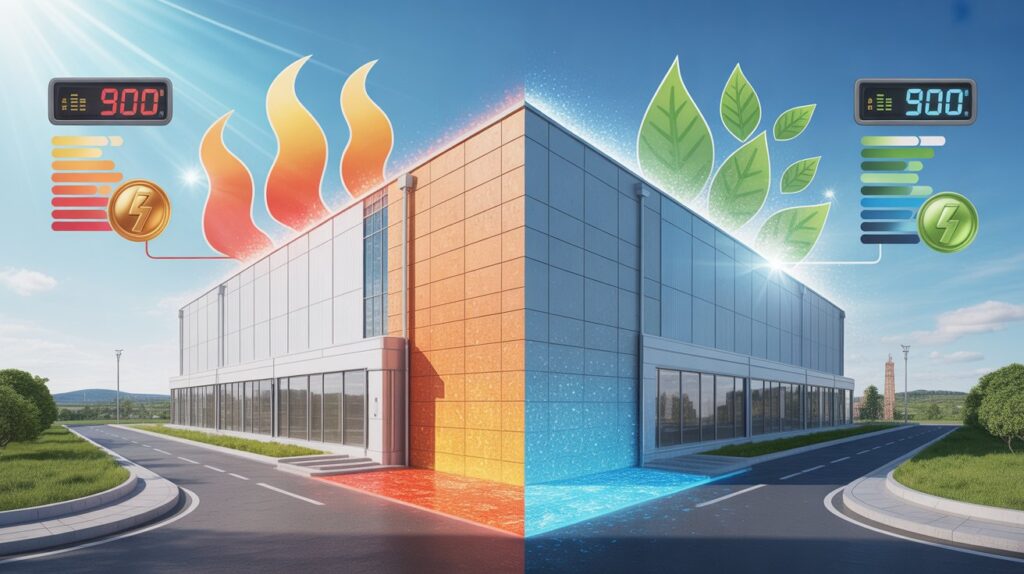
Rising energy costs and climate change have made energy efficiency a top priority for industries and building owners worldwide. Whether it's extreme summers or colder winters, maintaining comfortable indoor temperatures costs money and consumes valuable resources. Traditional methods of thermal management—like installing thick insulation panels or frequent use of HVAC systems—are becoming increasingly expensive and energy-intensive.
Thermal Insulation Coatings present a modern, cost-effective solution for reducing unwanted heat transfer across surfaces, such as roofs, walls, pipelines, and machinery. These advanced coatings leverage science and innovation to create barriers that reflect and resist heat, thus minimizing the energy required for heating or cooling.
Choosing the right insulation coating means more than just adding a layer of paint—it’s about investing in a technology that brings ongoing savings, reduces maintenance, and supports sustainability. With the right selection and proper application, businesses and households can experience substantial returns through lowered utility bills, improved comfort, and a reduced carbon footprint.
Understanding Thermal Insulation Coatings
Thermal insulation coatings are specialized paints or surface treatments designed to impede the flow of heat. Unlike traditional bulk insulation, they work as thin layers that combine heat-reflective and heat-resistant properties, using materials like ceramic beads, aerogel particles, or hollow glass microspheres to disrupt heat transfer mechanisms.
How They Work
These coatings rely on three primary mechanisms:
Reflection: High-reflectivity pigments bounce solar radiation back, preventing heat from penetrating surfaces.
Insulation: The microstructure of the coating—like embedded porous materials—reduces conduction and convection by trapping air pockets that slow heat flow through solids and gases.
Radiation Control: Specialized layers reradiate absorbed heat, minimizing the energy that crosses the coating barrier.
Typical Applications
Building Envelopes: Roofs and walls are major contributors to heat gain or loss. Applying thermal insulation coatings here helps maintain stable indoor temperatures.
Industrial Equipment: Pipes, tanks, and ovens often require insulation against extreme heat or cold.
Pipelines and Ducts: Protecting these from thermal losses improves process efficiency.
Machinery and Furnaces: Coatings boost operational safety and energy savings.
With versatile formulations, these coatings can be tailored for metal, concrete, masonry, or composite surfaces, making them ideal for diverse environments.
Key Factors to Consider When Choosing the Right Coating
Selecting the best thermal insulation coating involves evaluating technical, environmental, and economic parameters. Here are the most critical factors to assess:
Thermal Performance
Insulation Value (R-Value/λ-value): Look at the product’s thermal conductivity—lower values signal better insulation.
Emissivity and Reflectivity: High reflectivity means the coating bounces more infrared and solar radiation. Low emissivity limits heat emission from the surface.
Test Data and Certification: Choose products with proven lab data on insulation effectiveness under real-world scenarios.
Surface Type and Environment
Surface Compatibility: Ensure the coating is formulated for the intended substrate—metal, concrete, brick, etc. Incorrect pairing can lead to poor adhesion and reduced protection.
Environmental Exposure: Consider application location. Coatings for roof and exterior walls need added resistance to moisture, UV, and weathering. Industrial settings may require additional chemical or thermal stability.
Weather Resistance
UV Protection: Prolonged solar exposure can degrade less robust coatings, so opt for UV-resistant products for outdoor use.
Waterproofing and Moisture Resistance: Preventing water ingress is critical for maintaining insulation properties and long-term durability.
Chemical Resistance: Industrial environments may expose coatings to oils, solvents, or corrosive chemicals. Confirm resistance as per required standards.
Application Method and Durability
Ease of Application: Liquid-applied coatings can be sprayed, brushed, or rolled, making them suitable for both new and retrofit projects.
Curing Time and Process: Fast-curing formulations save installation time—important for maintenance projects.
Longevity and Maintenance: Premium coatings withstand surface expansion and contraction, resist cracking, and require minimal touch-ups. Assess the manufacturer’s projected life-span and maintenance frequency.
Compliance and Certifications
Quality Standards: Top brands comply with international benchmarks such as DIN EN standards and ISO 9000 quality controls.
Product Testing: Certification marks like “National Test House” “BMRC” or “IIT” signify that samples have been independently tested for thermal conductivity, durability, fire reaction, and safety.
Manufacturer Reputation: Products from reputable manufacturers often come with better support, warranties, and batch quality.
Energy Savings and Cost Benefits
Thermal insulation coatings lead to measurable energy reduction in residential and industrial environments.
Real-World Data
Energy Reduction: Building retrofits using insulation coatings report energy savings of up to 30% in cooling and heating costs. For instance, EcoBuild Solutions retrofitted commercial buildings and achieved a 30% drop in energy consumption—a result that translated directly into lower energy bills and reduced environmental impact.
Company Example: Industrial furnace operators installing insulation coatings between the insulation layer and casing realized substantial reductions in electricity and gas usage. Applying coatings externally not only saved energy but also improved safety and comfort for workers.
Comparison: Traditional Insulation vs. Coatings
Aspect
Traditional Insulation
Thermal Insulation Coatings
Installation
Bulky panels, complex setup
Spray/brush application, less labor
Space Requirement
Significant, reduces usable area
Thin, minimal space taken
Maintenance
Can degrade or settle over time
Durable, low maintenance
Thermal Bridge Risk
Moderately high
Very low
Retrofit Suitability
Difficult, disruptive
Easy, minimal downtime
Cost
High initial, maintenance costs
Lower installation, long-term savings
ROI and Maintenance
The upfront investment in high-quality coatings is offset by reduced operational costs and fewer maintenance interventions. Industry and residential users have reported payback periods as short as 1–3 years depending on climate and energy rates, underscoring the financial viability of this technology end-to-end.
Sustainability and Environmental Impact
Thermal insulation coatings are vital in advancing environmental sustainability and green building initiatives.
Carbon Footprint Reduction: Lower energy consumption translates to fewer greenhouse gas emissions—a key metric for building certifications and compliance.
Eco-Friendly Formulations: Modern coatings increasingly feature low- or zero-VOC (volatile organic compounds), minimizing indoor air pollution and contributing to healthier built environments.
Materials Efficiency: Unlike bulk insulation materials, coatings require very little raw material, reducing resource extraction and waste generation.
Green Building Alignment: Thermal insulation coatings help meet standards like LEED, BREEAM, and other sustainability codes, positioning projects for greater market value and competitive advantage.
Conclusion: Invest in the Right Coating
Selecting a thermal insulation coating is a transformative step toward achieving maximum energy savings and sustainability in buildings and industrial setups. Far beyond simple paint, these specialized products offer advanced technical solutions that lower operational costs, minimize maintenance, and align with environmental goals.
By evaluating insulation values, surface compatibility, weather resistance, application requirements, and certifications, users ensure they choose coatings that deliver durable and reliable performance. With real-world examples providing proof of dramatic reductions in energy bills and improved comfort, the evidence points to thermal insulation coatings as a smart, future-ready investment.
Industry leaders, building professionals, and property owners should take the initiative now—review their specific needs, consult with qualified suppliers, and invest in high-quality, certified coatings that safeguard their assets and accelerate their journey toward energy efficiency and sustainability.
For technical guidance, case studies, or product recommendations tailored to your application (roof, wall, industrial machinery, or specialized surface), reach out to professional coating suppliers or certification bodies. Your choice today will define energy savings and environmental impact for years to come.