

Introduction
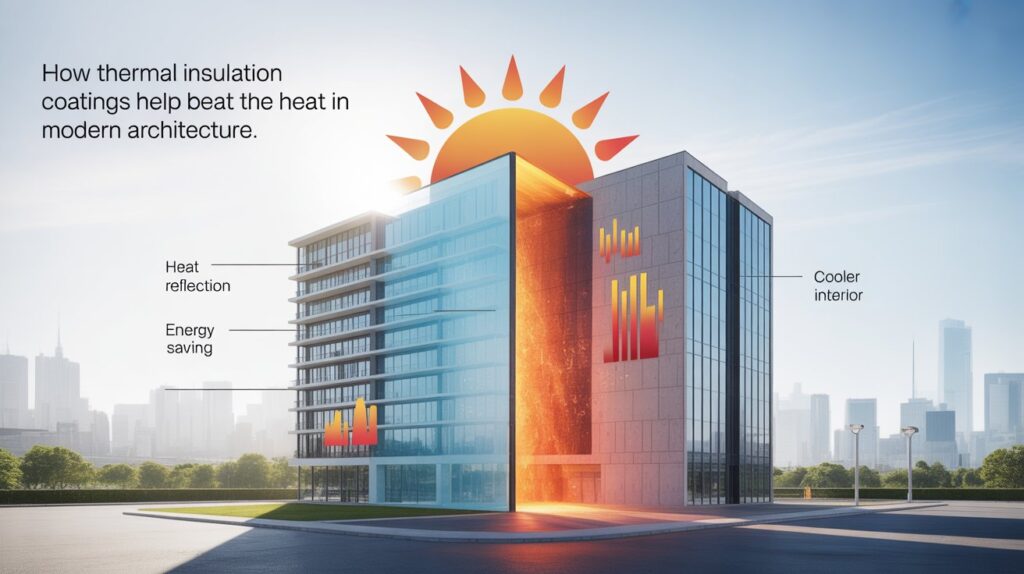
Across the globe, soaring urban temperatures and expanding heat islands are making energy-efficient buildings essential, not optional. Today’s architects and builders are under increasing pressure to prioritize sustainability, reduce carbon footprints, and enhance occupant comfort. In this context, Thermal Insulation Coatings have emerged as a powerful tool to tackle heat management challenges. These smart coatings are engineered for modern architecture, acting as eco-friendly shields that regulate building temperatures while supporting green building initiatives. As the demand for high-performance, energy-efficient spaces rises, thermal insulation coatings are playing a pivotal role in shaping the future of construction.
Understanding Thermal Insulation Coatings
Thermal insulation coatings are advanced materials designed to reflect solar radiation and inhibit heat transfer through walls, roofs, and other surfaces. Unlike traditional insulation—such as fiberglass rolls or foam panels—these coatings are liquid solutions applied directly to surfaces, forming a protective, temperature control layer. Their unique formulation typically includes ceramic microspheres, specialized reflective pigments, robust binders, and sometimes nanotechnology additives.
- Ceramic Microspheres: Tiny hollow spheres that trap air, creating thermal barriers and improving heat resistance.
- Reflective Pigments: High-emissivity compounds that bounce radiant energy away from surfaces, reducing heat absorption.
- Binders: Durable resins that bind pigments and microspheres, ensuring strong adhesion and weather resistance.
The science behind these coatings centers on two principles: reflection and resistance. Reflective pigments push solar energy away, while ceramic elements slow down heat conduction. In contrast, traditional insulation materials rely on bulk thickness and air pockets to reduce heat flow, making them less adaptable to complex surfaces or retrofit scenarios.
The Role of Thermal Insulation in Modern Architecture
Modern architecture is driven by the twin imperatives of sustainability and occupant well-being, with green building materials and energy-efficient design top of mind. Thermal insulation coatings fit seamlessly into this ethos, supporting both performance and aesthetics.
Architects leverage these coatings in:
- Green building projects aiming for LEED or similar certifications, where temperature control coatings contribute to reduced energy consumption and improved indoor comfort.
- Innovative passive design approaches—such as cool roofs and ventilated façades—that minimize reliance on mechanical cooling.
- Adaptive re-use of older structures, where coatings provide insulation benefits without major construction or design adjustments.
By integrating heat reflective paints and insulation coatings, designers can use bold colors, sleek surfaces, and creative forms without sacrificing thermal performance. This versatility not only enhances architectural appeal but also helps meet strict energy codes and sustainability benchmarks.
Key Benefits of Thermal Insulation Coatings
Thermal insulation coatings provide a range of technical and environmental advantages. Their popularity is rising across the globe for several substantial reasons.
Temperature Regulation
Coatings help maintain stable indoor temperatures by reflecting sunlight and resisting heat transfer. Buildings remain cooler in the summer and warmer in winter, reducing discomfort and reliance on HVAC systems.
Energy Efficiency
Lower heat absorption means air conditioners and heaters work less, resulting in significant energy savings. Studies show thermal coatings can reduce cooling loads by up to 20–40% in some climates, directly impacting electricity bills and carbon emissions.
Durability & Surface Protection
These coatings shield surfaces from ultraviolet rays, rain, and atmospheric corrosion. As a result, they extend the lifespan of building envelopes—walls, roofs, and terraces—by reducing cracking, fading, and thermal stress.
Moisture & Weather Resistance
Quality thermal coatings are engineered to resist moisture ingress and prevent condensation. This protection guards against mold growth and material degradation, helping maintain indoor air quality.
Sustainability
By supporting energy-efficient buildings and reducing overall carbon footprints, insulation coatings contribute to green construction standards. Most are water-based, low-VOC, and contain eco-friendly additives, making them an ideal choice for sustainable projects.
Real-World Examples
- Industrial warehouses in hot regions have managed to lower roof surface temperatures by 15–20°C and reduce cooling energy consumption after applying cool roof coatings.
- Residential complexes in urban centers achieve comfortable living environments and improved property values through façade and terrace insulation coatings.
- Commercial office towers targeting LEED certification have integrated thermal coatings into their façade systems to enhance energy ratings and promote sustainability.
Applications in Architecture
Thermal insulation coatings are versatile, finding uses in a variety of sectors without changing design aesthetics or construction methods.
Residential Buildings
Roofs, external walls, and terraces are common targets for insulation coatings in homes and apartment complexes. These solutions help families enjoy comfortable indoor temperatures while minimizing air conditioning costs.
Commercial Spaces
Warehouses, office spaces, and shopping malls benefit from widespread application of heat reflective paints and cool roof coatings to reduce operational costs, protect merchandise, and enhance occupant comfort.
Industrial Projects
Factories often deploy insulation coatings on tanks, pipelines, and plant structures for thermal management, corrosion resistance, and process safety.
Public Infrastructure
Hospitals, schools, and government offices use these coatings to comply with green building codes and ensure healthier, more sustainable environments for occupants.
Remarkably, thermal coatings preserve the aesthetic appeal of architectural surfaces, allowing designers to select any colour or finish while still delivering top-tier performance.
Innovations & Future Trends
The field of insulation coatings is evolving rapidly, fueled by breakthroughs in materials science and nanotechnology.
- Nanotechnology: Enables the creation of ultra-thin coatings with superior thermal performance and self-cleaning properties.
- Smart Coatings: Incorporate sensors and adaptive responses to regulate temperature dynamically, promising real-time climate control.
- Reflective Pigments: IR-reflective paints and cool roof coatings are becoming standard features in new urban developments, fighting heat island effects and lowering energy demands.
- Self-Cleaning Insulation Coatings: Reduce maintenance requirements and promote cleaner, healthier surfaces in polluted cities.
As regulations tighten and architectural standards shift toward climate resilience, these innovations are expected to become staples of modern architecture design worldwide.
How to Choose the Right Thermal Insulation Coating
Selecting the ideal coating depends on project location, surface material, and climate conditions. Here are key selection tips:
- Assess climate needs: Choose high-performance coatings for extreme temperatures or high solar exposure.
- Check certifications: Prefer materials tested and approved for energy efficiency, fire resistance, and sustainability standards.
- Match surface requirements: Opt for specialized formulas for roofs, facades, concrete, or metal substrates.
- Demand professional application: Ensure longevity and optimal performance by trusting certified applicators and reputable brands.
- Look for trusted brands like Altic Paints, Nippon Paint, or Dow, known for their innovation in temperature control coatings and green building products.
Conclusion
Thermal insulation coatings are redefining the landscape of modern architecture, making energy-efficient buildings accessible, stylish, and sustainable. These smart solutions enable comfortable indoor environments, lower energy consumption, and long-term savings for both individuals and organizations. By embracing advanced coatings—incorporating nanotechnology and eco-friendly pigments—architects and builders can create structures that are not only resilient to climate change but also rich in aesthetic appeal. The path to a greener, cooler future lies in innovative thinking and responsible material selection—let thermal insulation coatings lead the way.
Pingback: Thermal Insulation Coatings: Enhance Energy Efficiency