

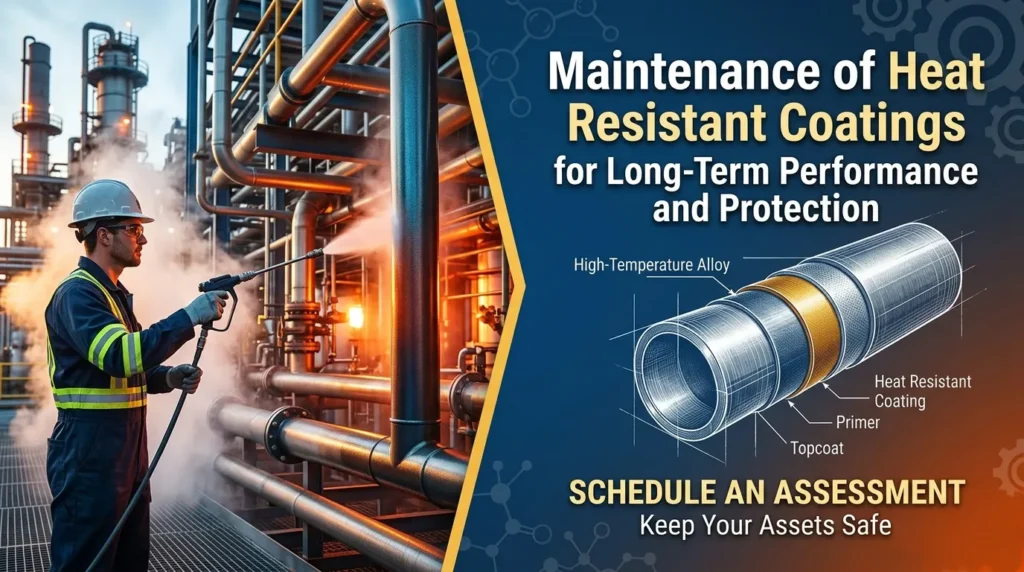
Heat resistant coatings are essential for protecting surfaces exposed to extreme temperatures, such as boilers, furnaces, pipelines, and industrial equipment. However, to ensure their effectiveness over time, proper maintenance is crucial. Regular upkeep not only extends the lifespan of the coating but also maintains its thermal resistance and protective properties.
Maintaining heat resistant coatings involves routine inspection, cleaning, and timely repairs. Over time, exposure to high heat, moisture, and environmental contaminants can cause issues like cracking, peeling, or loss of adhesion. Identifying these problems early helps prevent costly damage and ensures continuous protection.
Proper cleaning is a key part of maintenance. Removing dust, grease, and chemical residues from coated surfaces helps preserve the coating’s integrity. It is important to use recommended cleaning methods and avoid harsh chemicals that may damage the coating layer.
Periodic inspection should be carried out to detect signs of wear and tear. Visual checks for discoloration, corrosion, or surface damage can help determine when maintenance or recoating is required. In high-temperature environments, more frequent inspections are recommended.
When minor damage occurs, prompt repair and touch-up can restore the coating’s performance. For more severe wear, recoating may be necessary. Proper surface preparation before reapplication ensures strong adhesion and long-lasting results.
By following a consistent maintenance schedule and using high-quality materials, businesses can significantly improve the durability and performance of heat resistant coatings. This not only enhances safety but also reduces long-term operational costs.
Introduction to Heat Resistant Coating Maintenance
Heat resistant coatings are widely used in industrial and commercial applications to protect surfaces from extreme temperatures, corrosion, and environmental damage. These coatings play a critical role in maintaining the structural integrity of equipment such as boilers, furnaces, pipelines, and exhaust systems. However, without proper maintenance, their effectiveness can gradually decline.
Regular maintenance of heat resistant coatings ensures that they continue to perform efficiently under high-temperature conditions. It helps in identifying early signs of damage and prevents minor issues from turning into major failures. A well-maintained coating not only enhances safety but also improves operational efficiency and reduces downtime.
Importance of Regular Maintenance
Regular maintenance is essential to keep heat resistant coatings functioning at their best. Continuous exposure to heat, moisture, and chemicals can cause wear and tear over time. Routine inspection and cleaning help in detecting issues like cracks, peeling, or surface degradation at an early stage.
By maintaining a consistent maintenance schedule, industries can avoid unexpected equipment failures and costly repairs. It also ensures compliance with safety standards, especially in high-risk environments where temperature control is critical.
Impact on Performance and Lifespan
Proper maintenance directly affects the performance and lifespan of heat resistant coatings. When coatings are regularly cleaned and inspected, they retain their thermal resistance and protective properties for a longer period.
Neglecting maintenance can lead to reduced efficiency, increased heat absorption, and faster deterioration of the coated surface. On the other hand, timely repairs and recoating can significantly extend the life of the coating, ensuring long-term protection and cost savings.
Why Maintenance is Crucial for Heat Resistant Coatings
Heat resistant coatings are designed to withstand extreme temperatures and protect critical surfaces, but their performance depends heavily on proper maintenance. Without regular upkeep, these coatings can degrade due to continuous thermal stress, environmental exposure, and chemical contact. Maintenance ensures that the coating remains intact, effective, and capable of delivering long-term protection in demanding conditions.
Prevents Coating Failure
One of the primary reasons for maintaining heat resistant coatings is to prevent premature coating failure. Over time, high temperatures and external factors can cause cracking, blistering, or peeling. Regular inspections help identify these issues early, allowing for timely repairs before the damage spreads.
Preventing coating failure is essential to avoid exposure of the underlying surface to heat and corrosion, which can lead to serious structural damage and operational risks.
Ensures Consistent Heat Protection
Heat resistant coatings are specifically formulated to provide thermal insulation and reduce heat transfer. However, when the coating is damaged or worn out, its ability to resist heat decreases significantly.
Routine maintenance ensures that the coating maintains its original thickness, adhesion, and thermal properties. This guarantees consistent heat protection, helping equipment operate efficiently and safely even in high-temperature environments.
Reduces Repair and Replacement Costs
Neglecting maintenance can lead to extensive damage that requires complete recoating or even equipment replacement. This can result in high costs and unplanned downtime.
By investing in regular maintenance, businesses can address minor issues early and avoid major repairs. This proactive approach not only reduces overall maintenance expenses but also extends the service life of both the coating and the equipment, leading to significant cost savings in the long run.
Common Issues in Heat Resistant Coatings
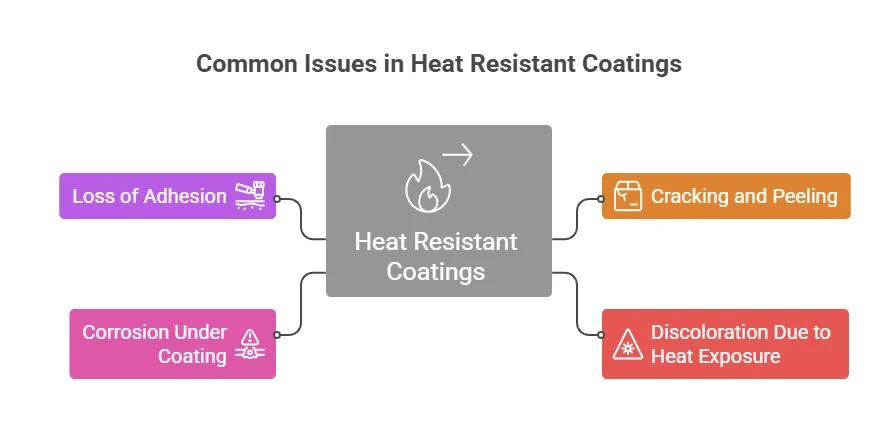
Heat resistant coatings are engineered to perform under extreme conditions, but over time, they can develop various issues due to continuous exposure to high temperatures, moisture, chemicals, and environmental stress. Identifying these common problems early is essential for maintaining coating performance and preventing costly damage to the underlying surface.
Cracking and Peeling
Cracking and peeling are among the most common problems in heat resistant coatings. These issues usually occur due to repeated thermal expansion and contraction, improper surface preparation, or application errors.
When the coating cracks or peels, it exposes the substrate to direct heat and environmental elements, increasing the risk of corrosion and structural damage. Regular inspection and timely touch-ups can help prevent these issues from spreading.
Discoloration Due to Heat Exposure
Discoloration is a visible sign of prolonged exposure to high temperatures. While some level of color change is normal, excessive discoloration may indicate that the coating is losing its heat resistance properties.
This can affect both the appearance and performance of the coated surface. Monitoring discoloration helps in determining whether the coating is still effective or requires maintenance or recoating.
Corrosion Under Coating
Corrosion under the coating is a serious issue that often goes unnoticed until significant damage has occurred. It usually happens when moisture or chemicals penetrate through small cracks or defects in the coating.
Once corrosion starts, it can weaken the substrate and compromise the overall protection system. Early detection through inspection and proper sealing of damaged areas is crucial to prevent further deterioration.
Loss of Adhesion
Loss of adhesion occurs when the coating no longer properly bonds to the surface. This can be caused by poor surface preparation, contamination, or prolonged exposure to extreme heat and environmental conditions.
When adhesion is compromised, the coating may blister, flake, or completely detach from the surface. Maintaining proper application standards and conducting regular maintenance checks can help ensure strong and lasting adhesion.
Inspection Guidelines for Heat Resistant Coatings
Regular inspection is a key part of maintaining heat resistant coatings and ensuring their long-term performance. Since these coatings are exposed to extreme temperatures and harsh environments, periodic checks help identify potential issues before they become serious problems. A well-planned inspection routine improves safety, reduces downtime, and extends the lifespan of the coating.
Visual Inspection Techniques
Visual inspection is the most basic and effective method for evaluating the condition of heat resistant coatings. It involves carefully examining the coated surface for visible defects such as cracks, peeling, blistering, or discoloration.
Inspectors should check high-stress areas like joints, edges, and surfaces exposed to direct heat. Proper lighting and close observation help in detecting even minor irregularities. Regular visual inspections ensure that any damage is identified early and addressed promptly.
Identifying Early Signs of Damage
Detecting early signs of damage is essential to prevent coating failure. Indicators such as slight cracks, fading color, surface roughness, or small blisters can signal the beginning of deterioration.
Moisture intrusion, corrosion spots, or uneven coating thickness are also warning signs that require immediate attention. Addressing these issues at an early stage helps maintain the coating’s protective properties and avoids costly repairs in the future.
Frequency of Inspection
The frequency of inspection depends on the operating environment and temperature exposure. In high-temperature industrial settings such as boilers, furnaces, and pipelines, inspections should be conducted more frequently.
For critical applications, monthly or quarterly inspections are recommended, while less demanding environments may require checks every 6 to 12 months. Establishing a consistent inspection schedule ensures continuous monitoring and helps maintain optimal coating performance.
Cleaning and Surface Care
Proper cleaning and surface care are essential for maintaining the effectiveness of heat resistant coatings. Over time, dust, grease, oil, and chemical contaminants can accumulate on coated surfaces, reducing their thermal performance and durability. Regular cleaning not only preserves the coating’s protective properties but also enhances its lifespan and overall efficiency.
Removing Dust, Grease, and Contaminants
Accumulation of dust and grease can act as a barrier, affecting the coating’s ability to resist heat effectively. Contaminants such as oil, chemicals, and industrial residues can also lead to surface degradation if not removed in time.
Routine cleaning helps maintain a clean surface, ensuring optimal heat reflection and protection. Using lint-free cloths, soft brushes, or air blowers can effectively remove loose particles without damaging the coating.
Recommended Cleaning Methods
Choosing the right cleaning method is crucial to avoid damaging the heat resistant coating. Mild cleaning agents, non-abrasive tools, and controlled water washing are generally recommended for most applications.
For industrial environments, low-pressure washing or gentle wiping with approved solvents can help remove stubborn dirt and grease. It is important to follow manufacturer guidelines to ensure that the cleaning process does not affect the coating’s performance or adhesion.
Avoiding Harsh Chemicals
Harsh chemicals and abrasive cleaning methods can weaken or damage heat resistant coatings. Strong acids, alkalis, or aggressive solvents may cause discoloration, loss of adhesion, or surface breakdown.
To maintain coating integrity, always use compatible cleaning solutions and avoid excessive scrubbing. Gentle and regular cleaning is more effective than infrequent, aggressive methods, ensuring long-term protection and consistent performance.
Repair and Touch-Up Methods
Timely repair and touch-up of heat resistant coatings are essential to maintain their protective performance and prevent further damage. Even minor defects, if left unattended, can expand under high-temperature conditions and lead to coating failure. Implementing proper repair methods helps restore the coating’s integrity and ensures continuous protection of the underlying surface.
Spot Repairs for Minor Damage
Spot repairs are an effective solution for addressing small areas of damage such as cracks, chips, or peeling. These localized repairs prevent the issue from spreading and reduce the need for complete recoating.
Before applying a touch-up, the damaged area should be carefully cleaned and any loose or flaking coating must be removed. Applying the appropriate heat resistant coating to the affected spot helps restore protection and maintain uniform performance across the surface.
Surface Preparation Before Recoating
Proper surface preparation is critical for successful repair and recoating. Without adequate preparation, the new coating may not adhere properly, leading to premature failure.
The surface should be cleaned thoroughly to remove dust, grease, rust, and contaminants. Mechanical methods such as light sanding or abrasive cleaning can be used to create a suitable surface profile. Ensuring a clean and dry surface enhances adhesion and improves the durability of the recoated layer.
Choosing Compatible Coating Materials
Selecting the right coating material for repairs is crucial to ensure compatibility with the existing layer. Using incompatible products can result in poor adhesion, uneven performance, or chemical reactions that weaken the coating.
It is recommended to use the same type or manufacturer-approved heat resistant coating for touch-ups and repairs. This ensures consistent thermal resistance, durability, and long-term protection in high-temperature environments.
Recoating and Reapplication Guidelines
Recoating is an essential part of maintaining heat resistant coatings, especially in high-temperature environments where continuous exposure can gradually degrade the protective layer. Proper reapplication ensures that the coating retains its thermal resistance, durability, and protective performance. Following the right guidelines helps achieve long-lasting results and prevents premature failure.
When to Recoat
Knowing the right time to recoat is crucial for maintaining optimal protection. Recoating is typically required when visible signs of wear such as cracking, peeling, discoloration, or loss of adhesion appear.
In industrial settings, recoating may also be scheduled as part of preventive maintenance, even before major damage occurs. Regular inspections help determine whether the coating has reached the end of its effective life and needs reapplication.
Steps for Proper Reapplication
Proper reapplication involves a systematic approach to ensure strong adhesion and consistent performance. The first step is thorough surface preparation, which includes cleaning, removing damaged coating, and ensuring the surface is dry and free from contaminants.
Once the surface is prepared, the heat resistant coating should be applied evenly using recommended tools and techniques such as brushing, rolling, or spraying. Following the manufacturer’s instructions for thickness, curing time, and application method is essential to achieve the desired performance.
Environmental Conditions to Consider
Environmental conditions play a significant role in the success of recoating. Factors such as temperature, humidity, and airflow can affect the drying and curing process of the coating.
It is important to apply coatings under suitable conditions to ensure proper bonding and durability. Extremely high humidity, dust, or low temperatures can negatively impact the coating quality. Planning the reapplication process under controlled conditions helps achieve better results and long-term protection.
Best Practices for Extending Coating Life
Extending the life of heat resistant coatings requires a combination of proper application, routine maintenance, and the use of high-quality materials. By following best practices, industries can ensure long-term performance, reduce maintenance costs, and maximize the protective benefits of the coating. A proactive approach not only improves durability but also enhances safety and operational efficiency.
Proper Application Techniques
The foundation of a long-lasting heat resistant coating begins with correct application techniques. Proper surface preparation, including cleaning and removing contaminants, is essential to ensure strong adhesion.
Applying the coating at the recommended thickness and using the right tools—such as spray, brush, or roller—helps achieve uniform coverage. Following manufacturer guidelines for curing time and application conditions ensures optimal performance and prevents early coating failure.
Regular Maintenance Schedule
Establishing a regular maintenance schedule is key to preserving the effectiveness of heat resistant coatings. Routine inspections, cleaning, and timely repairs help identify and address minor issues before they escalate.
A well-planned maintenance routine ensures consistent performance, minimizes downtime, and extends the overall lifespan of the coating. Industries operating in high-temperature environments should prioritize frequent checks to maintain optimal protection.
Using High-Quality Coatings
The quality of the coating material plays a significant role in its durability and performance. High-quality heat resistant coatings are formulated to withstand extreme temperatures, resist corrosion, and maintain their protective properties over time.
Investing in premium coatings reduces the frequency of repairs and recoating, ultimately saving costs in the long run. Choosing reliable and compatible products ensures better adhesion, improved thermal resistance, and long-term surface protection.
Industries That Require Regular Maintenance
Heat resistant coatings are widely used across multiple industries where equipment and surfaces are exposed to extreme temperatures and harsh operating conditions. Regular maintenance in these sectors is essential to ensure safety, efficiency, and long-term durability of assets.
Boilers and Furnaces
Boilers and furnaces operate under constant high temperatures, making them highly dependent on effective heat resistant coatings. Regular maintenance helps prevent coating degradation, improves thermal efficiency, and reduces the risk of equipment failure.
Industrial Pipelines
Pipelines used in industries such as oil & gas, chemical processing, and manufacturing are often exposed to heat and corrosive substances. Maintaining heat resistant coatings on these pipelines helps prevent corrosion, leakage, and structural damage, ensuring smooth operations.
Automotive and Exhaust Systems
Automotive components, especially exhaust systems, are exposed to continuous heat and environmental stress. Regular inspection and maintenance of coatings help improve performance, reduce heat damage, and extend the lifespan of these components.
Power Plants and Refineries
Power plants and refineries operate in extremely demanding environments with high heat and chemical exposure. Heat resistant coatings play a critical role in protecting equipment such as turbines, reactors, and storage units. Routine maintenance ensures uninterrupted operations and enhances overall safety.
Conclusion – Ensuring Long-Term Protection
Maintaining heat resistant coatings is essential for ensuring consistent performance, safety, and durability in high-temperature applications. A proactive maintenance approach helps industries avoid unexpected failures and achieve long-term protection.
Summary of Maintenance Benefits
Regular maintenance enhances the effectiveness of heat resistant coatings by preserving their thermal resistance and protective properties. It helps identify issues early, reduces wear and tear, and ensures reliable performance over time.
Importance of Proactive Care
Proactive care, including routine inspections, cleaning, and timely repairs, plays a vital role in extending the life of coatings. Addressing minor issues before they escalate ensures continuous protection and prevents costly downtime.
Cost-Saving Advantages
Investing in proper maintenance significantly reduces repair and replacement costs. By extending the lifespan of coatings and equipment, businesses can achieve better returns on investment while maintaining operational efficiency and safety.