

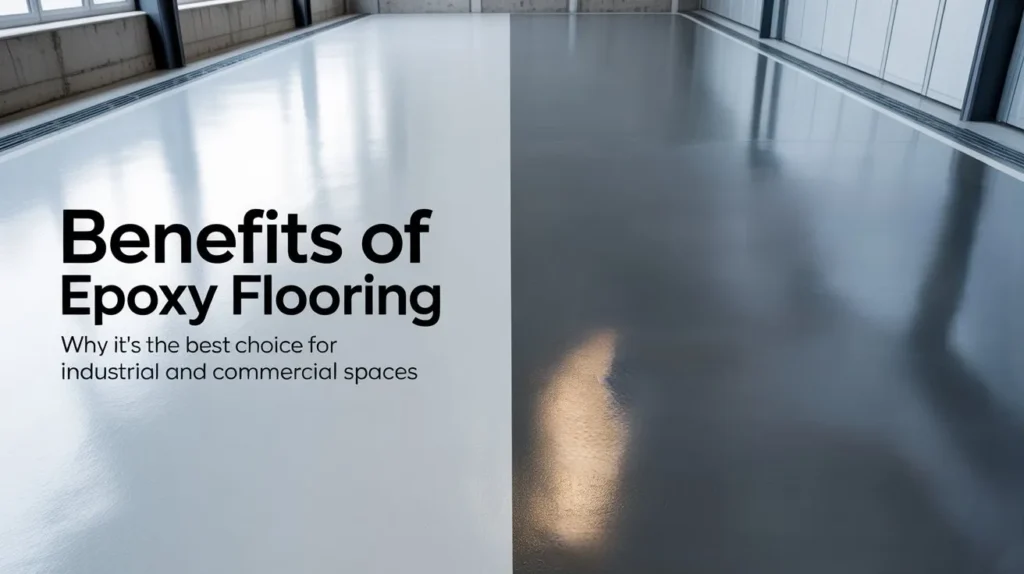
Epoxy flooring has become one of the most popular solutions for industrial and commercial floor protection. Known for its strength, durability, and seamless finish, epoxy creates a tough surface that can withstand heavy traffic, machinery, chemicals, and daily wear. Businesses across industries choose epoxy floors because they provide long-lasting performance while also improving safety and appearance.
One of the biggest advantages of epoxy flooring is its ability to transform ordinary concrete into a high-performance surface. The epoxy coating forms a strong bond with the concrete base, creating a smooth, non-porous layer that resists stains, moisture, and chemical spills. This makes it ideal for environments such as factories, warehouses, hospitals, parking areas, and commercial facilities where durability and hygiene are important.
Another key reason industries prefer epoxy flooring is its low maintenance and easy cleaning. Unlike traditional concrete floors that can crack, collect dust, and absorb liquids, epoxy floors create a sealed surface that prevents dirt, oil, and chemicals from penetrating the floor. This helps maintain a cleaner and safer workspace.
In addition to performance, epoxy flooring also offers customization options such as different colors, textures, and anti-slip finishes. These features allow businesses to improve both the functionality and visual appeal of their floors.
With its combination of strength, cost efficiency, and versatility, epoxy flooring is widely used in many industrial and commercial environments. Understanding the benefits of epoxy flooring and epoxy flooring uses can help businesses choose the right flooring solution for long-term performance and protection.
What Is Epoxy Flooring?
Epoxy flooring is a high-performance floor coating system created by applying a mixture of epoxy resin and hardener over a concrete surface. When these two components react chemically, they form a strong, durable, and seamless layer that bonds tightly with the concrete floor. This hardened surface provides excellent resistance to wear, chemicals, moisture, and heavy loads, making it an ideal flooring solution for industrial and commercial environments.
Unlike traditional flooring, epoxy flooring does more than just cover the surface. It protects, strengthens, and enhances the concrete base, turning ordinary floors into high-performance surfaces suitable for demanding conditions.
Understanding Epoxy Floors
Epoxy floors are known for their smooth, glossy, and seamless finish, which improves both functionality and appearance. Once cured, the coating creates a hard plastic-like surface that is much stronger than regular concrete.
Key characteristics of epoxy floors include:
- High durability and load-bearing capacity
- Strong adhesion to concrete surfaces
- Resistance to chemicals, oil, and solvents
- Seamless and dust-free surface
- Easy cleaning and low maintenance
Because of these qualities, epoxy floors are commonly installed in factories, warehouses, hospitals, laboratories, showrooms, and parking areas.
How Epoxy Flooring Systems Work
An epoxy flooring system works by forming a chemical bond with the prepared concrete surface. The installation process typically involves several layers to ensure maximum durability and performance.
The basic process includes:
- Surface Preparation – The concrete floor is cleaned, repaired, and mechanically prepared to ensure proper adhesion.
- Primer Application – A primer layer is applied to improve bonding between the concrete and epoxy coating.
- Epoxy Coating Layer – The main epoxy layer is applied, creating the strong protective surface.
- Topcoat or Seal Coat – A protective top layer may be added to enhance durability, chemical resistance, and appearance.
Once cured, the system forms a seamless, non-porous floor capable of handling heavy industrial use.
Types of Epoxy Flooring Used in Industries
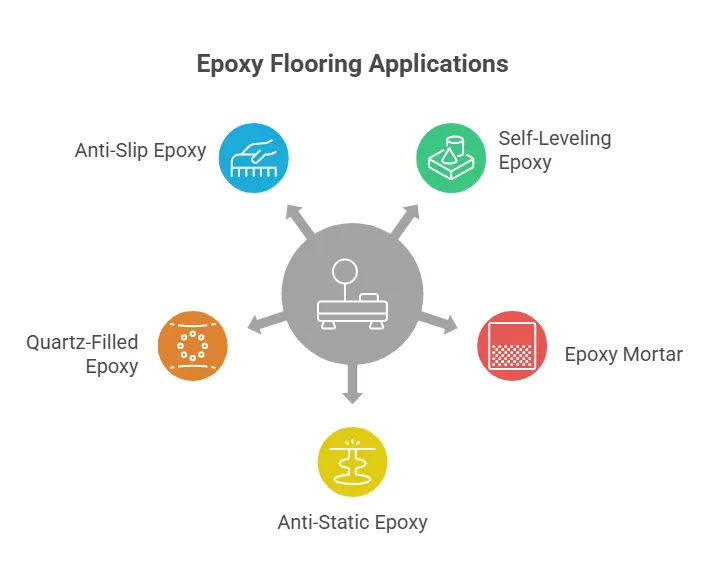
Different industries require specific types of epoxy flooring depending on their working conditions and operational needs. Some of the most commonly used epoxy flooring systems include:
Self-Leveling Epoxy Flooring
This type creates a smooth and even surface, making it ideal for manufacturing facilities, warehouses, and commercial spaces.
Epoxy Mortar Flooring
One of the strongest epoxy systems, epoxy mortar floors are used in heavy-duty industrial environments where machinery and heavy loads are common.
Anti-Static Epoxy Flooring
Used in electronics manufacturing, laboratories, and data centers, this system helps control static electricity.
Quartz-Filled Epoxy Flooring
This system combines epoxy resin with colored quartz grains, creating a durable and decorative surface often used in schools, hospitals, and showrooms.
Anti-Slip Epoxy Flooring
Designed for safety, this flooring includes textured materials that provide extra grip in wet or high-risk areas such as industrial kitchens, parking areas, and workshops.
These various options highlight the versatility of epoxy flooring and explain why it is widely used across multiple industries for durability, safety, and long-term performance.
Benefits of Epoxy Flooring
Epoxy flooring is widely used in industrial and commercial environments because it provides a strong, protective, and long-lasting surface. When applied over concrete, epoxy creates a durable coating that improves floor performance, safety, and appearance. From factories and warehouses to hospitals and showrooms, many businesses rely on epoxy floors for their reliability and low maintenance.
Below are some of the key benefits of epoxy flooring that make it a preferred choice across many industries.
Exceptional Durability and Long Lifespan
One of the most important advantages of epoxy flooring is its exceptional strength and durability. Once cured, the epoxy coating forms a hard surface that can withstand heavy machinery, constant foot traffic, and vehicle movement.
Unlike untreated concrete floors that may crack or wear out over time, epoxy floors maintain their performance for many years when properly installed and maintained. This makes them ideal for factories, warehouses, garages, and industrial facilities where floors are exposed to intense daily use.
High Resistance to Chemicals and Stains
Epoxy flooring offers excellent resistance to chemicals, oils, solvents, and industrial fluids. This makes it a practical solution for environments where chemical spills are common, such as manufacturing plants, laboratories, and automotive workshops.
The non-porous surface prevents liquids from penetrating the floor, reducing the risk of stains and surface damage. As a result, epoxy floors remain clean and structurally protected even in demanding industrial conditions.
Easy Maintenance and Cleaning
Another major benefit of epoxy flooring is its low maintenance requirements. The seamless coating prevents dust, dirt, and debris from accumulating in cracks or joints.
Regular cleaning usually involves simple sweeping and occasional mopping, making it easier to maintain a hygienic workspace. This is particularly beneficial for facilities like food processing units, hospitals, and pharmaceutical industries where cleanliness is essential.
Seamless and Dust-Free Surface
Epoxy floors create a smooth, seamless surface without joints or gaps. This helps prevent dust formation, which is a common issue with untreated concrete floors.
The dust-free environment improves workplace hygiene, air quality, and overall operational efficiency, making epoxy flooring suitable for clean rooms, warehouses, and industrial production areas.
Moisture and Water Resistance
Epoxy flooring provides excellent moisture and water resistance, protecting concrete surfaces from water penetration and potential damage.
Because the coating forms a non-absorbent layer, it prevents moisture from weakening the concrete base. This makes epoxy floors ideal for basements, parking areas, food industries, and areas exposed to frequent washing or spills.
Slip-Resistant Safety Options
Safety is a critical factor in industrial and commercial facilities. Epoxy flooring can be designed with anti-slip additives or textured finishes to improve traction and reduce the risk of accidents.
Slip-resistant epoxy floors are commonly used in workshops, factories, commercial kitchens, and wet processing areas where worker safety is a priority.
Aesthetic and Customizable Finishes
In addition to performance, epoxy flooring also enhances the visual appearance of floors. It is available in a wide range of colors, patterns, and finishes, allowing businesses to customize their flooring according to their branding or design preferences.
Decorative options such as colored flakes, metallic effects, and glossy finishes can transform plain concrete into a professional-looking surface, making epoxy flooring suitable for showrooms, retail stores, and commercial spaces.
Overall, the combination of durability, safety, easy maintenance, and aesthetic flexibility makes epoxy flooring one of the most effective flooring solutions for modern industrial and commercial environments.
Common Epoxy Flooring Uses
Epoxy flooring is widely used across different industries because of its strength, durability, and resistance to chemicals and heavy traffic. Its seamless and protective surface makes it suitable for environments that require cleanliness, safety, and long-term floor performance. These advantages explain why epoxy floors are installed in many industrial, commercial, and institutional facilities.
Below are some of the most common epoxy flooring uses across different sectors.
Industrial Factories and Manufacturing Plants
Industrial factories require flooring that can withstand heavy machinery, chemical exposure, and continuous operations. Epoxy flooring provides a strong, impact-resistant surface that protects the concrete base from damage caused by equipment and industrial processes.
The chemical resistance of epoxy floors also makes them ideal for facilities where oil, solvents, or industrial chemicals may spill on the floor.
Warehouses and Logistics Centers
Warehouses and logistics centers experience constant forklift traffic, pallet movement, and heavy loads. Epoxy flooring creates a durable surface that can handle this pressure without cracking or wearing down quickly.
In addition, the smooth and seamless surface improves mobility for forklifts and reduces dust, helping maintain a cleaner and more efficient workspace.
Hospitals and Pharmaceutical Facilities
In healthcare and pharmaceutical environments, maintaining high hygiene standards is critical. Epoxy floors are non-porous and easy to sanitize, which helps prevent the growth of bacteria, mold, and contaminants.
Because of their seamless structure, epoxy floors are often used in operating rooms, laboratories, medical storage areas, and pharmaceutical production units.
Commercial Kitchens and Food Processing Units
Commercial kitchens and food processing facilities require flooring that is resistant to moisture, oils, food spills, and frequent cleaning. Epoxy flooring provides a waterproof and hygienic surface that supports strict sanitation requirements.
Anti-slip additives can also be incorporated into the coating to improve worker safety in areas that are frequently wet or greasy.
Parking Garages and Basements
Epoxy flooring is commonly applied in parking garages, basements, and vehicle service areas because it can resist vehicle traffic, oil leaks, and tire abrasion.
The coating protects the concrete surface from moisture penetration, stains, and structural deterioration, helping extend the life of the floor.
Showrooms and Retail Spaces
Epoxy floors are not only functional but also visually appealing. In showrooms and retail stores, epoxy flooring can create a glossy, professional finish that enhances the appearance of the space.
With customizable colors, textures, and decorative finishes, businesses can design floors that match their brand identity while maintaining durability and easy maintenance.
These diverse epoxy flooring uses demonstrate why epoxy systems are a versatile flooring solution for both industrial operations and commercial environments.
Epoxy Floors vs Traditional Concrete Floors
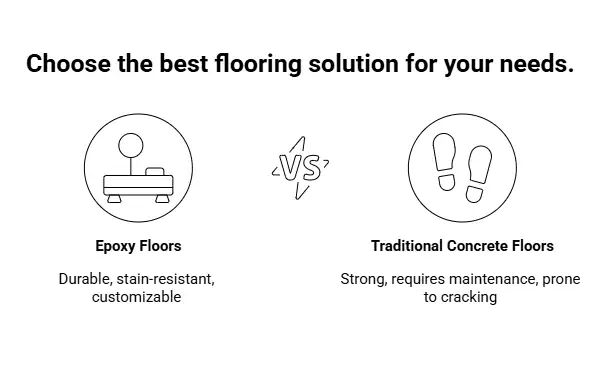
When choosing a flooring solution for industrial or commercial spaces, many businesses compare epoxy floors with traditional concrete floors. While concrete is widely used because of its strength, it often lacks the protective features needed for demanding environments. Epoxy flooring enhances the performance of concrete by adding a durable, protective coating that improves longevity, safety, and maintenance efficiency.
Below is a comparison between epoxy flooring and traditional concrete floors.
Durability Comparison
Traditional concrete floors are strong but can crack, chip, and wear down over time, especially in areas exposed to heavy machinery, vehicle traffic, or constant movement. Concrete is also porous, which makes it vulnerable to damage from chemicals, moisture, and stains.
Epoxy floors, on the other hand, create a hard protective layer over the concrete surface. This coating significantly increases the floor’s resistance to impact, abrasion, and heavy loads, making it more suitable for demanding industrial environments.
Maintenance and Cleaning
Concrete floors often produce dust and fine particles as the surface gradually breaks down. The porous nature of concrete also allows liquids such as oil, chemicals, and water to seep into the surface, making cleaning more difficult.
Epoxy flooring provides a smooth, non-porous surface that prevents liquids and dirt from penetrating the floor. Because of this, cleaning becomes much easier and usually requires only regular sweeping and occasional mopping.
Cost Effectiveness Over Time
While untreated concrete may appear less expensive initially, it often requires frequent repairs, sealing, and maintenance due to wear and surface damage.
Epoxy flooring may involve a higher initial installation cost, but its long lifespan and reduced maintenance needs make it more cost-effective in the long run. Businesses benefit from fewer repairs and longer-lasting floor performance.
Safety and Surface Performance
Safety is another important factor when comparing epoxy floors with concrete floors. Bare concrete can become slippery when wet and may develop cracks or uneven areas, increasing the risk of accidents.
Epoxy flooring can be customized with anti-slip additives and textured finishes, improving traction and reducing the chances of slips and falls. Additionally, epoxy floors can include line markings and safety colors, which help organize workspaces and improve overall operational safety.
Overall, epoxy flooring offers significant advantages over traditional concrete floors in terms of durability, maintenance, safety, and long-term value, making it a preferred choice for many industrial and commercial facilities.
Where Epoxy Flooring Works Best
Epoxy flooring is designed to perform in environments where strength, durability, and protection are essential. Its ability to withstand heavy loads, resist chemicals, and maintain a seamless surface makes it suitable for demanding industrial and commercial settings. Understanding where epoxy flooring performs best helps businesses choose the right flooring system for long-term reliability.
Below are some of the environments where epoxy floors deliver the best results.
High Traffic Areas
Epoxy flooring is highly effective in high traffic areas where floors are exposed to constant movement from people, equipment, and vehicles. In places such as warehouses, shopping centers, hospitals, and industrial corridors, traditional flooring can quickly wear down due to continuous use.
The strong protective layer of epoxy helps prevent surface damage, abrasion, and dust formation, ensuring that the floor remains durable and visually appealing even after years of heavy use.
Chemical Exposure Environments
Many industrial facilities handle chemicals, oils, solvents, and cleaning agents that can damage untreated concrete floors. In such environments, epoxy flooring provides a chemical-resistant barrier that protects the concrete surface from corrosion, stains, and structural deterioration.
Because of this resistance, epoxy floors are commonly used in manufacturing plants, laboratories, pharmaceutical facilities, and automotive workshops where chemical exposure is frequent.
Heavy Machinery Zones
Areas that operate heavy machinery, forklifts, and large equipment require flooring that can handle significant pressure and impact. Epoxy flooring creates a hard, load-bearing surface capable of supporting heavy equipment without cracking or degrading.
This makes epoxy floors ideal for industrial production areas, logistics hubs, workshops, and machine rooms, where maintaining strong and stable flooring is critical for safe and efficient operations.
How Epoxy Flooring Is Installed
The installation of epoxy flooring involves a multi-step process designed to ensure strong adhesion, durability, and a smooth finish. Proper installation is essential because the performance of epoxy floors depends largely on how well the surface is prepared and how accurately the coating layers are applied. When installed correctly, epoxy flooring forms a seamless, long-lasting protective layer over the concrete surface.
Below are the main stages involved in the epoxy flooring installation process.
Surface Preparation Process
Surface preparation is the most critical step in epoxy flooring installation. The concrete surface must be clean, dry, and free from dust, grease, oil, or any existing coatings that could affect adhesion.
The preparation process typically includes:
- Mechanical grinding or shot blasting to create a rough surface for better bonding
- Repairing cracks and holes in the concrete floor
- Removing dust and contaminants using industrial vacuum equipment
Proper surface preparation ensures that the epoxy coating bonds firmly to the concrete, preventing issues such as peeling or bubbling.
Application of Primer and Epoxy Layers
After the surface is prepared, a primer coat is applied to improve adhesion between the concrete substrate and the epoxy system. The primer penetrates the concrete and creates a strong bonding layer.
Once the primer has cured, the main epoxy coating layer is applied. Depending on the flooring system, multiple layers may be used to achieve the required thickness and performance.
In some cases, additional materials such as decorative flakes, quartz aggregates, or anti-slip additives are incorporated to enhance durability, safety, or appearance.
Curing and Finishing Process
After the epoxy layers are applied, the floor must undergo a curing process. During this stage, the epoxy resin and hardener chemically react to form a solid, durable surface.
Curing time can vary depending on factors such as temperature, humidity, and the type of epoxy system used, but it typically takes between 24 to 72 hours for the floor to fully harden.
Finally, a protective topcoat or seal coat may be applied to enhance chemical resistance, gloss, and long-term durability. Once the curing process is complete, the epoxy floor is ready for use, providing a strong, seamless, and easy-to-maintain surface suitable for demanding environments.
Maintenance Tips for Epoxy Floors
Epoxy floors are known for their durability and low maintenance requirements, which makes them a popular choice for industrial and commercial environments. However, proper care and routine maintenance are important to ensure that the flooring maintains its strength, appearance, and long service life. By following simple maintenance practices, businesses can keep epoxy flooring in excellent condition for many years.
Daily Cleaning Practices
Regular cleaning helps maintain the smooth and glossy finish of epoxy floors. Dust, dirt, and debris should be removed frequently to prevent surface wear.
Common daily cleaning practices include:
- Sweeping or dust mopping to remove loose particles
- Mopping with mild cleaning solutions to remove stains and spills
- Promptly cleaning oil, chemicals, or liquid spills to prevent surface buildup
Because epoxy floors are non-porous and seamless, dirt and liquids do not penetrate the surface, making cleaning quick and efficient.
Preventing Scratches and Damage
Although epoxy flooring is highly durable, taking precautions can help prevent unnecessary damage and maintain its appearance.
Some useful preventive measures include:
- Using rubber pads or protective mats under heavy equipment
- Avoiding dragging sharp or heavy objects across the floor
- Installing protective wheels on carts and forklifts
- Placing entry mats to reduce dirt and debris from outside
These simple steps can significantly reduce the risk of scratches, scuffs, and surface wear.
Long-Term Maintenance Strategy
For long-term performance, epoxy floors should be periodically inspected and maintained. Over time, high-traffic areas may experience minor wear, which can be addressed through maintenance coatings.
A good long-term strategy includes:
- Conducting regular inspections for signs of wear or damage
- Reapplying a topcoat when necessary to restore protection and shine
- Scheduling professional maintenance for industrial floors if heavy usage is involved
With proper care and routine maintenance, epoxy flooring can continue to provide a strong, safe, and visually appealing surface for industrial and commercial facilities for many years.
Frequently Asked Questions
How long do epoxy floors last?
Epoxy floors are known for their long lifespan and durability. In commercial and industrial environments, epoxy flooring can typically last 10 to 20 years or more, depending on factors such as traffic, maintenance, and installation quality. Proper surface preparation, correct application, and regular maintenance help ensure that epoxy floors maintain their performance and appearance for many years.
Are epoxy floors slippery?
Epoxy floors can have a smooth and glossy finish, which may become slippery when wet. However, epoxy flooring systems can be designed with anti-slip additives or textured coatings to improve traction. These slip-resistant options make epoxy floors safe for areas such as factories, commercial kitchens, warehouses, and parking garages where safety is a priority.
Can epoxy flooring be applied over existing concrete?
Yes, epoxy flooring is commonly applied over existing concrete surfaces. The concrete must be properly prepared before installation to ensure strong adhesion. This process typically involves cleaning, repairing cracks, removing contaminants, and mechanically grinding the surface. Once the concrete is properly prepared, epoxy can bond effectively and create a durable, seamless floor.
What industries benefit most from epoxy flooring?
Epoxy flooring is widely used across many industries because of its strength, chemical resistance, and easy maintenance. Industries that benefit the most include:
- Manufacturing and industrial plants
- Warehouses and logistics centers
- Hospitals and healthcare facilities
- Pharmaceutical and laboratory environments
- Food processing and commercial kitchens
- Automotive workshops and parking areas
These industries rely on epoxy floors for their durability, hygiene, and ability to withstand demanding working conditions.
Conclusion – Why Epoxy Flooring Is a Smart Long-Term Investment
Epoxy flooring has become a preferred solution for many industrial, commercial, and institutional facilities because of its exceptional durability, safety features, and long-term performance. By transforming ordinary concrete into a strong, seamless, and protective surface, epoxy floors help businesses maintain efficient and reliable working environments.
One of the biggest advantages of epoxy flooring is its ability to withstand heavy traffic, machinery, chemicals, and daily wear without losing its strength or appearance. This makes it an excellent choice for demanding spaces such as factories, warehouses, hospitals, parking areas, and retail facilities.
In addition to durability, epoxy flooring offers easy maintenance, improved safety with slip-resistant options, and customizable finishes that enhance both functionality and visual appeal. These benefits not only improve the working environment but also reduce long-term maintenance and repair costs.
Overall, the benefits of epoxy flooring and its wide range of applications make it a smart long-term investment for businesses looking for reliable and cost-effective flooring solutions. With proper installation and maintenance, epoxy floors can provide lasting protection, improved safety, and enhanced aesthetics for many years.